
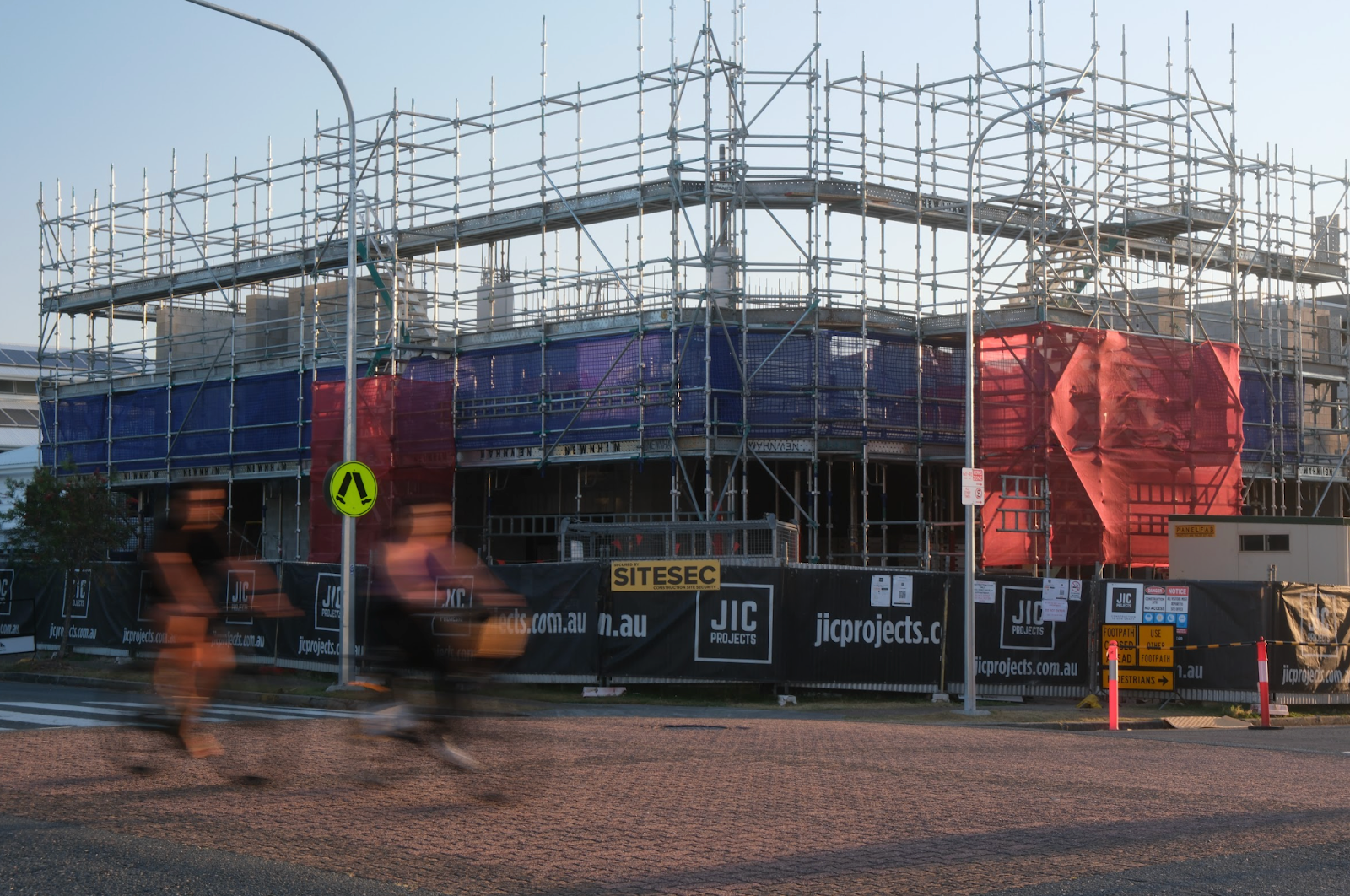
Knowing what makes a good security camera starts with the environment it needs to operate in. Construction sites place more pressure on equipment than almost anywhere else. They have shifting layouts, limited power, exposed work zones and high-value materials in plain view. Cameras built for homes or offices simply are not designed to cope with this level of activity.
On a construction site, a good security camera is one that stays reliable when conditions are unpredictable, provides clear visibility day and night and sends accurate alerts without constant false triggers. It must remain stable in harsh weather, continue working when power is unavailable and adapt as the project progresses. For many teams, this level of performance comes from hiring a system designed specifically for construction rather than buying a retail camera that cannot keep up.
What Makes a Good Security Camera in General
Across any environment, a good security camera should deliver three things: clarity, consistency and reliability. Footage needs to be sharp enough to identify what is happening. The camera should continue working when lighting changes or weather turns, and it should notify the right people without overwhelming them with unnecessary alerts.
Clear image quality matters, but so does strong low light performance. A good camera needs to record useable footage at night, early in the morning and during overcast conditions. The system should also store footage securely so it can be accessed when required. All of these traits are important, but they only form the foundation. Construction sites demand much more.
Why Construction Sites Need a Higher Standard
Construction sites change daily. Power may only be available in certain areas, temporary structures block paths, machinery moves constantly and the weather has full access to the equipment. A camera designed for indoor use or for a fixed residential position simply cannot maintain performance under these conditions.
One of the biggest challenges is the lack of permanent power or internet in early project stages. Cameras that rely on WiFi are immediately unsuitable. Even when the site becomes more developed, layouts change too frequently for a wired camera to stay effective. A camera that was well-positioned during pre-slab works may become useless once framing goes up.
The open environment adds another layer of difficulty. Strong wind, heavy rain, dust and vibration are all common. A camera must be able to withstand these elements while continuing to provide stable, clear footage. These pressures mean that a “good security camera” for construction has a very different set of requirements compared to other industries.
What Makes a Good Construction Security Camera
A good construction security camera is one that can keep up with the site. It must operate independently from fixed infrastructure, handle rough conditions and deliver reliable visibility from start to finish. Wireless and solar-powered systems are particularly effective in construction because they can be installed early and moved whenever the site changes. They remove the need for trenching or cabling, which saves time and avoids disruption.
Detection is another defining factor. Construction sites have constant movement, so a camera must be able to identify behaviour that matters without triggering an alert every few minutes. AI driven detection helps reduce noise by distinguishing meaningful activity from background motion.
Durability plays a major role as well. A strong construction camera should withstand:
- Dust and debris
- Vibration from machinery
- Exposure to rain and heat
- Ongoing outdoor placement
Remote access is equally important. Supervisors and project managers often move between multiple jobs. Being able to check the site from anywhere gives teams clarity and helps them react faster when something needs attention.
Why Choose to Hire, Not Buy
Hiring camera systems has become the preferred option for most construction projects because it fits the nature of the work. Construction is temporary. Buying equipment that suits only one type of build or cannot be reused easily does not always make financial sense. Hiring removes the upfront cost of purchasing hardware. It also avoids long term storage and maintenance responsibilities. Once the project ends, the equipment leaves with it.
Just as importantly, hiring gives teams access to systems that are built for construction rather than household or commercial indoor environments. If something goes wrong, the system is repaired or replaced quickly, preventing downtime. As the project grows, more cameras can be added without complications. If the project finishes early, the equipment can be returned immediately.
Why Monitoring Matters as Much as the Camera Itself
A good security camera is only as effective as the monitoring behind it. Even the most advanced hardware loses value if alerts are handled slowly, incorrectly or by people who do not understand how construction sites operate.
Sitesec recently brought its security control monitoring fully in-house, operating from our own monitoring centre in Mermaid Beach. This is a deliberate shift away from the industry norm, where monitoring is often outsourced to third-party providers or overseas call centres.
By managing monitoring internally, Sitesec ensures every AI alert is reviewed by operators who understand construction environments, site activity patterns and real security risks. This reduces unnecessary escalations, improves response accuracy and gives clients confidence that alerts are handled by people who know what matters on an active site.
Having an in-house team also means there is always someone available locally. Clients can call the office directly, speak with the team managing their system and get clear answers without delays or handovers. This level of access is rarely available when monitoring is outsourced.
For construction teams, monitoring quality directly affects outcomes. Construction-specific monitoring improves decision-making, reduces false alarms and ensures genuine incidents are acted on quickly. It turns a camera system from passive surveillance into an active security solution.
How a Good Camera Supports Daily Operations
A reliable security camera does more than protect the site after hours. It helps teams stay informed and maintain oversight throughout the day. Clear footage provides evidence when deliveries arrive, where materials were placed and which contractors accessed different areas. It also helps clarify events when incidents occur, whether they involve equipment, safety or workflow disruption.
For many supervisors, remote access becomes one of the most useful features. Being able to check on a site without physically being there saves time and helps catch issues early. Time-stamped footage also supports insurance claims and helps settle disputes with suppliers, subcontractors or neighbouring properties. In larger projects, consistent visibility improves decision-making. Teams can track progress, confirm whether certain stages are complete and understand how the site is evolving.
How Strong Performance Looks on Real Sites
On a remote civil site, a good camera continues working because it runs on solar power and sends footage through the mobile network. At a residential build, it can be repositioned quickly as the structure rises and access points shift. In a commercial development, it provides dependable visibility across busy zones where deliveries, machinery and contractors cross paths throughout the day.
A good construction camera is defined by its reliability in these situations, not by the number of features printed on a box.
Construction Ready Cameras Within Sitesec Systems
Sitesec provides hire-only camera systems designed for construction conditions. They combine wireless operation, solar power, 4G connectivity, durable hardware and AI-driven detection to stay reliable throughout the project. The systems are supported by a team that understands how active sites work and what kind of visibility teams actually need.
Choosing a Good Security Camera for Your Construction Site
A good security camera is one that remains reliable when conditions are difficult and delivers clear visibility when it matters most. On construction sites, that means choosing a system built for shifting layouts, temporary power and constantly changing activity. Hiring a construction-ready camera gives teams dependable equipment without the burden of maintaining or owning it.
If you want a camera system that meets the standards of a good construction security camera, Sitesec offers flexible hire options for projects of any size. Request pricing to get started.